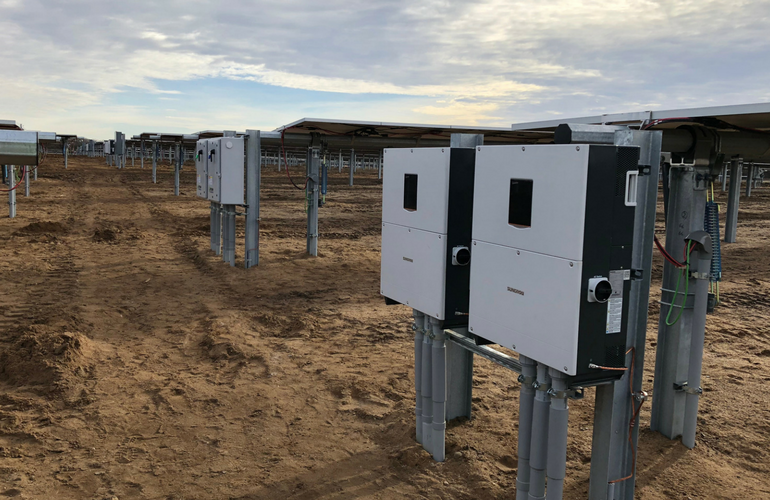
An inverter is the heart of a solar system because it converts the panels’ DC power into usable AC power for the home and grid. Placement decisions affect efficiency because the inverter’s environment changes how hard it works and how much energy is lost before electricity reaches the panel. Heat, wire length, voltage drop, airflow, and service access all play a role. A system can use high-quality equipment and still lose performance if the inverter is in a hot corner, exposed to direct afternoon sun, or placed far from the electrical interconnection with long conduit runs. Placement also affects reliability, because thermal stress shortens component life and can trigger power limiting in warm conditions. When homeowners understand why placement matters, they can avoid avoidable losses and keep output more consistent across seasons.
How Placement Shapes Performance
- Heat Exposure and Power Limiting
Inverters produce heat while operating and also respond to heat in their surroundings. When the ambient temperature around the inverter rises, internal components warm up, and many units automatically reduce output to protect themselves. This is called thermal derating, and it can quietly reduce production during the hours when the solar array produces the most. A wall that bakes in direct afternoon sun, a garage corner with poor airflow, or a sealed utility closet can raise temperatures enough to push an inverter into protection mode. Even small differences matter because heat builds over hours, not minutes, so a location that seems fine in the morning can become problematic in late afternoon. Good placement aims for shade, ventilation, and clearance around the unit to allow heat to escape. This is why exterior north-facing walls, shaded side yards, or well-ventilated garages are often preferred, depending on climate and equipment type. In communities like Rocklin, where summer days can be warm and sun exposure is strong, choosing a cooler microclimate for the inverter can reduce derating and keep mid-day output steadier. Placement is also about dust and moisture. An inverter near dryer vents, lawn irrigation spray, or heavy dust paths may run hotter as vents clog and cooling becomes less effective.
- Wire Length, Voltage Drop, and Real Energy Losses
Energy can be lost between the panels and the inverter, and also between the inverter and the main electrical panel, depending on the system design. Longer wire runs increase resistance, and resistance turns some energy into heat. This shows up as a voltage drop and reduced delivered power, especially during high-output periods when current is higher. For string-inverter systems, long DC runs from the roof to the inverter can be a major factor because the DC voltage may be higher, and the cable run may pass through hot attic spaces, which further increase resistance. For microinverter systems, most conversion happens at the panel, so the long run is AC, which changes the calculation, but voltage drop can still occur if conductors are undersized or distances are long. Placement is a design tool for shortening the most impactful run, depending on whether the inverter is centralized or distributed. Placing a centralized inverter closer to the array can reduce DC losses, while putting it closer to the main panel can reduce AC losses. The right balance depends on conductor sizing, route complexity, and the system’s interconnections. This is why installers map conduit paths early, because the simplest path is not always the shortest, and extra bends and attic travel can add heat and labor while increasing losses.
- Service Access, Safety, and Long-Term Performance
Inverter placement also affects how easily the system can be serviced, inspected, and kept operating smoothly over time. If an inverter is tucked behind storage shelves, mounted above appliances, or installed in a cramped area, routine checks and repairs become more difficult and may be delayed. When a fault occurs, quick access matters because downtime equals lost production. Placement also influences safety and code compliance. Inverters require proper clearances, the correct mounting height, and a location that provides safe access to the disconnect for firefighters and technicians. Noise can be a factor as well. Some inverters produce a mild hum or fan noise under load, so placing them near bedrooms or quiet living spaces can create annoyance that leads homeowners to restrict access or demand relocation later. Weather exposure is another long-term consideration. Exterior placement must protect against direct sun, heavy rain, and irrigation spray, and it must avoid locations where snow or debris collects. A well-chosen location helps maintain a steady operating temperature, reduces environmental stress, and keeps the inverter easy to reach, all of which together improve uptime. Efficiency is not only about conversion rates on a spec sheet, but it is also about how often the system can operate without interruptions.
Summary
Inverter placement affects system efficiency by changing operating temperature, wiring losses, and long-term uptime. Locations with excessive heat or poor airflow can trigger power limiting and increase wear, reducing production during peak sunlight hours. Long wire runs can create voltage drop and resistance losses, so placement should shorten the most critical electrical path based on the inverter type and interconnection point. Good access supports faster service, safer inspections, and fewer downtime events, which protects overall yearly output. When homeowners and installers choose a shaded, ventilated, code-compliant location with sensible conduit routing, the system delivers steadier performance and fewer hidden losses across seasons.
Read also: RevolverTech Crew: Driving Innovation and Collaboration in Modern Technology