Cloud ERP projects often focus on workflows, integrations, testing, and go-live. But one area directly affects whether the system works properly from day one: the data.
If the migrated data is incomplete, inconsistent, duplicated, or poorly structured, the new ERP will immediately start creating problems. Reports become unreliable, users lose confidence, and daily processes slow down.
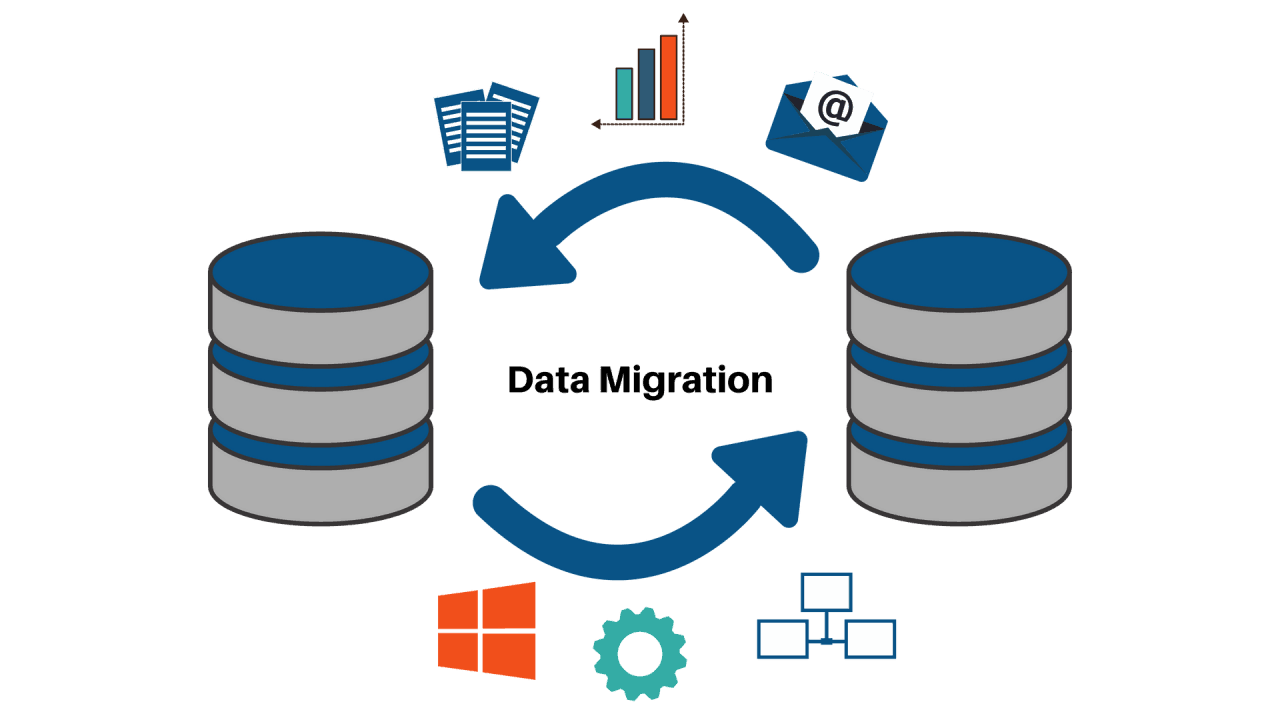
Data migration consultants help prevent that. Their role is not just to move records from one system to another. They help businesses clean data, map it correctly, validate it properly, and make sure the new ERP starts with a stronger foundation.
Data quality shapes ERP success more than many teams expect
A cloud ERP can be configured well and still fail to deliver value if the underlying data is weak. Clean workflows and modern dashboards do little to help when item records are incorrect, customer data is duplicated, or financial balances do not match.
This is why data migration affects much more than IT. It impacts finance, procurement, inventory, reporting, customer management, and business decision-making.
Weak data creates immediate business problems
Common issues include:
- Incorrect or duplicate customer and vendor records
- Broken reporting logic
- Item and inventory mismatches
- Failed reconciliations
- Delays in approvals or transactions
- Low user trust in the new system
Once these issues appear after go-live, fixing them becomes harder and more disruptive.
What data migration consultants actually do
Their work goes well beyond extraction and upload.
A strong migration consultant brings structure to one of the messiest parts of an ERP project. They help the business decide what data should move, what needs cleanup, how old data should fit the new system, and how to verify that everything is accurate.
They assess the current data landscape
The first step is understanding what exists in the current environment.
This usually includes reviewing:
- Customer and vendor records
- Chart of accounts and financial dimensions
- Product and inventory data
- Open transactions
- Historical transactions
- Order, invoice, and balance records
- Operational data relevant to the project scope
This step often reveals bigger issues than expected. Many businesses do not realize how inconsistent their legacy data has become until someone reviews it properly.
They help decide what should move
Not all data belongs in the new ERP.
Some records are outdated. Some are duplicated. Some no longer support current business processes. Some may be better archived instead of migrated.
This decision matters more than volume
A common mistake is assuming that more migrated data means a better result. In reality, moving unnecessary or poor-quality data can make the new system harder to use.
Good migration support helps answer practical questions like:
-
What data is still active?
Only relevant records should remain part of the working environment.
-
What needs to be retained for compliance or history?
Some information may need storage, but not active migration.
-
What is no longer useful?
Old clutter should not be carried into a modern ERP without reason.
They clean the data before it creates problems later
Migrating bad data into a new system only moves old problems into a new place.
That is why cleanup is one of the most valuable parts of the consultant’s role.
Cleanup usually includes
-
Removing duplicates
Duplicate customers, suppliers, items, or contacts can disrupt reporting and transactions.
-
Correcting incomplete records
Missing fields can break workflows, approvals, and integrations.
-
Standardizing formats
Names, codes, addresses, units, and categories often need consistency before migration.
-
Removing outdated entries
Inactive or irrelevant data should usually stay out of the live environment.
This work improves system usability from the start.
They map legacy data into the new ERP structure
Old systems and new cloud ERPs rarely organize data the same way. Fields, formats, business rules, and master data structures often differ significantly.
Mapping is where accuracy starts to matter
Migration consultants define how legacy data should translate into the target system, including:
- Field-to-field mapping
- New record structures
- Code conversions
- Master data relationships
- Open transaction handling
- Historical data treatment
This is not just technical matching. It affects how the business will report, transact, search, reconcile, and work in the new environment.
Poor mapping decisions create confusion that may not show up until users begin real work.
They support testing and validation
Migration is not finished when the data is loaded. It is finished when the business can trust the results.
Validation helps confirm that the data is usable
A proper validation process checks:
-
Did the right records move?
The migrated scope should match the planned scope.
-
Are the values correct?
Balances, amounts, classifications, and relationships must remain accurate.
-
Does the data work in real processes?
Users should be able to complete real tasks without data issues blocking them.
-
Are errors tracked and resolved?
Exceptions should be reviewed and fixed in a controlled way.
This stage is critical because data problems discovered after go-live usually affect multiple teams at once.
They help protect the future-state ERP
A cloud ERP project is often a chance to improve structure, governance, and reporting. That becomes harder if legacy data problems are carried forward unchanged.
Strong migration work supports a cleaner operating model
Consultants often help challenge assumptions like:
- Do we still need this data structure?
- Should these categories be reorganized?
- Are these legacy codes still meaningful?
- Does this setup support future reporting needs?
- Are we keeping data because it is useful or just because it exists?
These decisions shape whether the new ERP feels cleaner and more reliable, or just newer.
They reduce risk during go-live
Data migration is directly tied to cutover readiness. If the migrated data is not trusted, the business enters go-live with avoidable risk.
Their work supports a smoother transition
This includes helping the business with:
- Migration timing
- Mock loads and rehearsal cycles
- Reconciliation planning
- Final cutover sequencing
- Issue tracking before launch
- Business sign-off on migrated data
This reduces surprises at the most sensitive stage of the project.
Why businesses often underestimate this role
Migration work is less visible than dashboards, workflows, or demos, so it often gets pushed down the priority list. That usually creates trouble later.
When migration is underestimated, common results include:
- Late cleanup effort
- Unclear ownership
- Weak validation
- Rushed cutover
- Copied legacy issues
- Low confidence after launch
In many cases, the ERP itself is not the issue. The data foundation is.
What strong migration support looks like
Good migration consultants do more than handle files and templates. They bring discipline, clarity, and business awareness.
They ask early questions about data readiness. They narrow the migration scope where needed. They document mappings clearly. They involve business users in validation. They flag risks before go-live. And they keep the migration effort tied to business outcomes, not just technical completion.
Final thoughts
Data migration plays a central role in cloud ERP success because it affects whether the system is trusted, usable, and ready for real business activity.
Migration consultants help businesses clean data, structure it properly, validate it thoroughly, and move into the new ERP with fewer risks and fewer surprises.
A cloud ERP can only perform as well as the data inside it. That is why migration deserves more attention than it often gets.