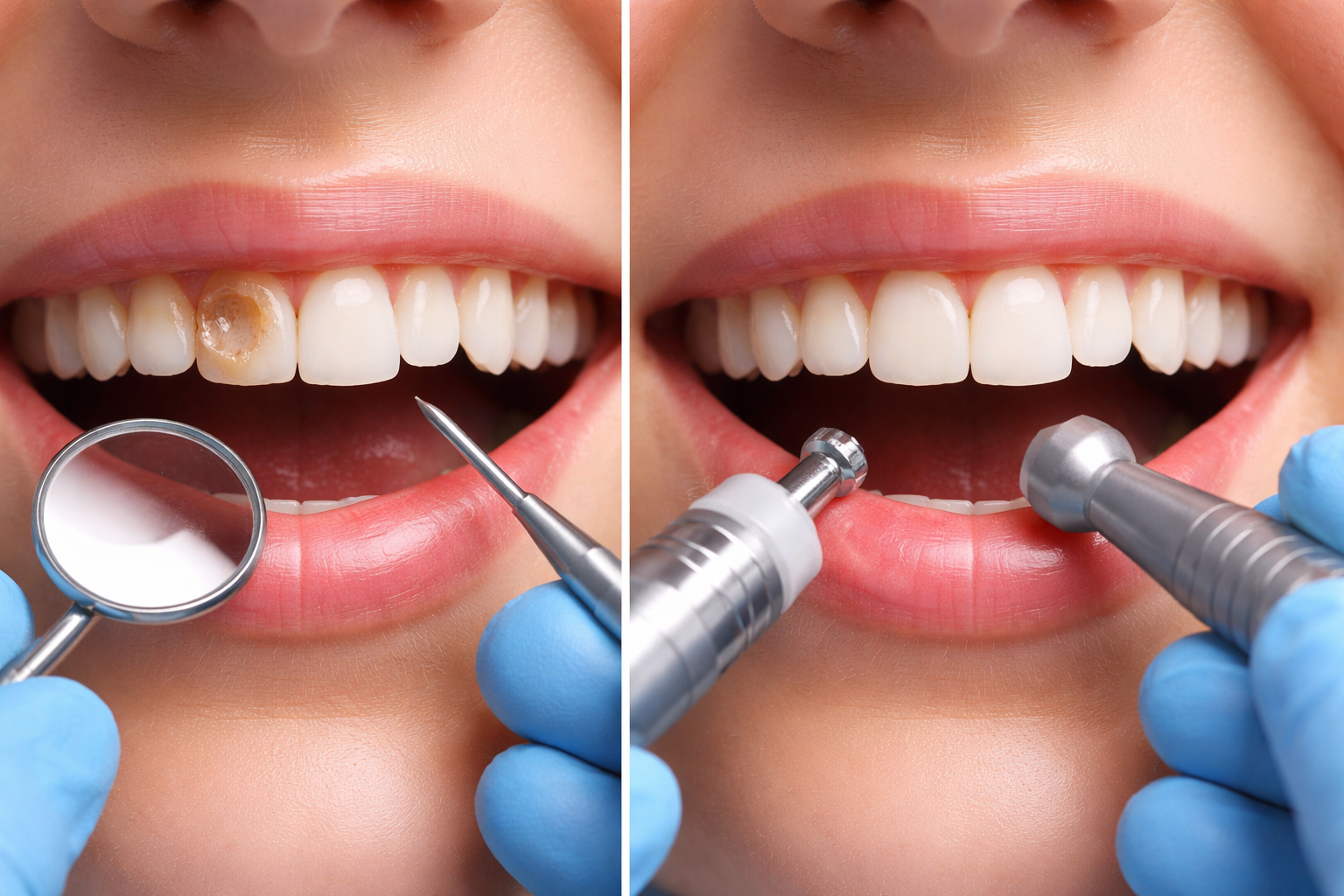
Maintaining healthy teeth goes beyond routine cleaning and checkups. When a tooth is damaged by decay, trauma, or wear, its function and appearance can be compromised. Restorative dentistry provides solutions that not only restore a tooth’s strength but also improve the overall aesthetic of the smile. We will explore how modern restorative techniques address both structural and cosmetic concerns, helping patients regain confidence and maintain oral health. From minor fillings to comprehensive restorations, these treatments are designed to bring teeth back to full function while preventing further damage. Understanding the options available can help individuals make informed decisions that align with their health needs and lifestyle preferences.
Understanding Tooth Damage and Its Consequences
Tooth damage can result from multiple factors, including cavities, accidents, and natural wear over time. When the outer enamel is compromised, the inner dentin becomes exposed, leading to sensitivity, discomfort, and an increased risk of infection. Cracked or fractured teeth can impact chewing efficiency and cause jaw discomfort if left untreated. Even minor chips may seem purely cosmetic, but they can lead to further enamel loss and compromise overall oral health. Restorative dentistry, guided by a North Vancouver, BC Dentist, addresses these issues by rebuilding the tooth’s structure while protecting it from future problems. Beyond functional repair, restoring a tooth can prevent misalignment, as damaged teeth often shift position or place undue pressure on surrounding teeth. A timely response to tooth damage is crucial in maintaining both dental health and quality of life.
Modern Restoration Techniques
Contemporary restorative dentistry offers a variety of treatment options tailored to the type and extent of damage. Dental fillings remain a common solution for cavities, using materials like composite resins that blend with natural tooth color. For more significant damage, inlays, onlays, and crowns provide structural reinforcement while preserving as much of the original tooth as possible. Crowns are particularly valuable for teeth that have undergone root canal treatment, as they protect weakened teeth from fractures. Dental bonding is another technique often used for minor chips or gaps, improving both function and appearance with minimal intervention. These approaches allow dentists to restore teeth efficiently while maintaining a natural look, ensuring that patients can enjoy normal chewing and speaking capabilities without compromising aesthetics.
Addressing Aesthetic Concerns Alongside Function
While structural integrity is a primary focus of restorative dentistry, appearance is equally important. Tooth discoloration, uneven edges, and gaps can all affect a person’s confidence and willingness to smile. Modern restorative methods integrate aesthetic considerations with functional repair, using materials and techniques that mimic natural teeth in color, translucency, and shape. Porcelain and ceramic options are frequently employed for crowns and veneers due to their durability and realistic appearance. Patients who undergo these treatments often notice a transformation in their smile, along with improved self-esteem. The ability to combine aesthetic restoration with functional repair allows patients to address multiple concerns in a single procedure, creating long-lasting, visually pleasing outcomes while preserving oral health.
Preventing Further Damage Through Restorative Care
Restorative dentistry is not solely about repairing existing damage; it also focuses on prevention. By restoring a tooth’s structure, dental professionals help protect against future wear, fractures, and decay. Properly restored teeth can distribute bite forces evenly, reducing stress on surrounding teeth and minimizing the risk of further damage. Additionally, many restorative treatments incorporate protective coatings or materials that resist staining and decay. Regular follow-ups after restoration ensure that any potential issues are addressed promptly, extending the life of the treatment and maintaining optimal oral health. Education on daily dental care, combined with restorative interventions, equips patients with the tools needed to protect their teeth over the long term, reducing the likelihood of repeat procedures or complications.
Integrating Restorative Dentistry Into Overall Oral Health
Restorative dentistry should be viewed as a part of a broader oral health plan. Combining restorative treatments with preventive care—such as regular checkups, cleanings, and at-home hygiene—ensures the mouth remains healthy and functional. Patients who adopt a comprehensive approach benefit from reduced dental complications, a lower risk of infections, and a more attractive smile. In cases where multiple teeth are affected, restorative strategies can be coordinated to address several concerns simultaneously, such as replacing missing teeth with bridges or implants while strengthening existing teeth. This holistic approach emphasizes the importance of balance between aesthetics, function, and long-term dental health, allowing patients to enjoy the full benefits of restorative interventions while minimizing future risks.
Restorative dentistry provides a pathway for individuals to regain both the strength and appearance of their teeth after damage. By combining functional repair with aesthetic enhancements, these treatments address the full spectrum of dental concerns, from structural integrity to confidence in one’s smile. Modern techniques offer durable solutions that blend seamlessly with natural teeth, allowing patients to maintain normal oral functions while preventing further complications. Timely restorative care not only repairs existing damage but also serves as a preventive measure, protecting oral health over the long term. Patients who integrate restorative dentistry into a broader oral care routine can enjoy lasting results, enhanced appearance, and renewed confidence, ensuring their teeth remain healthy, strong, and visually appealing for years to come.
Read also: Confirming Pregnancy with Ultrasound: What to Expect at Your First Visit