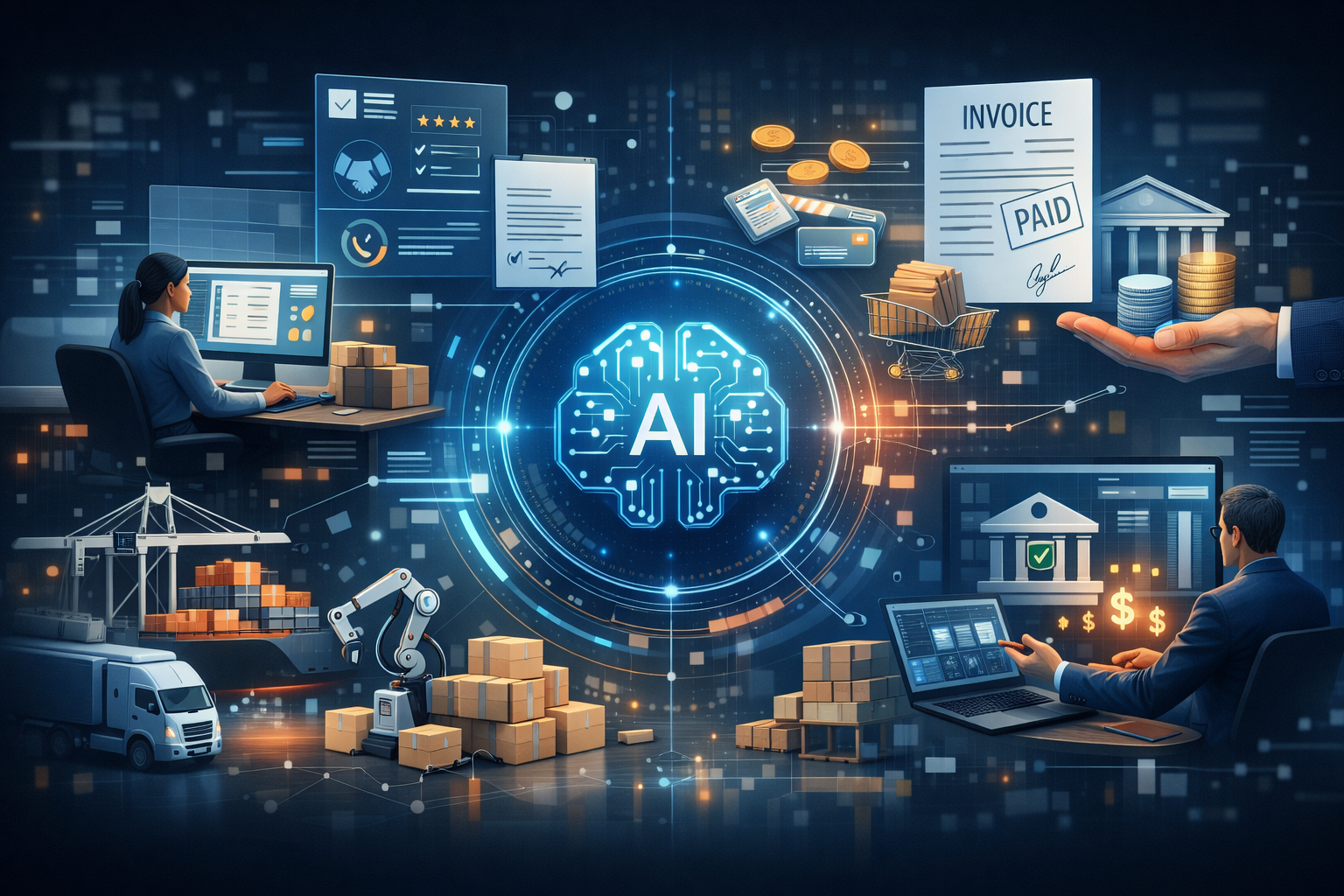
We will explore how artificial intelligence is transforming the source-to-pay (S2P) process, making procurement and financial operations more efficient and data-driven. Modern enterprises face complex challenges in managing supplier relationships, contract lifecycles, and payment processes. Traditional workflows often involve fragmented systems, manual approvals, and limited visibility into spend, which can delay operations and increase costs. AI integration addresses these gaps by automating routine tasks, predicting risks, and providing real-time insights, enabling organizations to respond faster to market changes.
Beyond efficiency, AI enhances compliance and transparency, giving procurement and finance teams the confidence to make strategic decisions. The adoption of smart AI source to pay tools by Raindrop further accelerates this transformation, providing organizations with intelligent automation, real-time insights, and predictive analytics. As enterprises increasingly leverage these AI-driven solutions, the S2P journey becomes more seamless, efficient, and aligned with broader business objectives, redefining the way organizations handle procurement from initial requests to final payment.
Transforming Supplier Management
Supplier management has historically been a manual, time-intensive process that requires constant communication, document tracking, and performance evaluation. AI changes this dynamic by centralizing supplier data and automatically assessing supplier reliability, risk, and performance metrics. Machine learning algorithms can identify patterns in supplier behavior, highlight potential bottlenecks, and predict disruptions before they occur. This proactive approach enables procurement teams to address issues before they impact operations, reducing downtime and maintaining business continuity.
Additionally, AI-driven platforms offer automated onboarding, ensuring supplier information is accurate and up-to-date while reducing human error. By analyzing historical transactions and market trends, AI helps organizations select the most suitable suppliers and negotiate better terms, creating stronger partnerships and optimizing overall spend. This level of visibility and predictive capability represents a significant shift from reactive management to a more strategic, data-informed approach.
Enhancing Sourcing and Contract Lifecycle Management
Sourcing and contract management are critical components of the S2P process that benefit greatly from AI implementation. Intelligent systems can automate the identification of sourcing opportunities, evaluate supplier proposals, and recommend optimal choices based on cost, quality, and risk factors. Natural language processing (NLP) allows AI platforms to review contracts, detect anomalies, and ensure compliance with regulatory standards. This reduces the time spent on manual review and minimizes the likelihood of costly errors or overlooked obligations.
AI also provides analytics on contract performance, helping organizations identify clauses that affect costs or delivery schedules and enabling more informed renegotiations. By linking sourcing data directly to contract management, enterprises gain a unified view of obligations and outcomes, improving accountability and driving operational efficiency. These capabilities allow organizations to move from reactive contract administration to strategic management, aligning contractual agreements with long-term business objectives.
Streamlining Procurement and Payment Processes
Procurement and accounts payable processes are often burdened by repetitive tasks such as purchase order approvals, invoice matching, and payment processing. AI automates many of these tasks, ensuring that approvals follow predefined rules while flagging exceptions for human review. Intelligent invoice recognition reduces manual data-entry errors and accelerates payment cycles, while predictive analytics can forecast cash-flow requirements and optimize working capital.
AI-driven dashboards provide real-time visibility into spend categories, supplier obligations, and budget adherence, enabling procurement and finance teams to make faster, more accurate decisions. Additionally, AI helps enforce compliance by monitoring transactions against internal policies and regulatory requirements, reducing the risk of fraud or non-compliance. By automating repetitive workflows and providing actionable insights, AI frees teams to focus on strategic initiatives such as supplier innovation, cost optimization, and market responsiveness, fundamentally transforming traditional procurement operations.
Leveraging Analytics for Strategic Insights
The power of AI in S2P workflows extends beyond automation; it provides actionable insights that inform strategic decision-making. Advanced analytics can detect trends, anomalies, and opportunities within procurement and financial data, allowing organizations to anticipate demand, manage risks, and optimize supplier performance. Predictive models help identify future spending patterns, enabling proactive budgeting and resource allocation. AI also facilitates scenario planning, helping teams evaluate the impact of different sourcing strategies or payment terms before implementation.
By combining historical data with real-time inputs, enterprises gain a dynamic view of their procurement ecosystem, supporting data-driven strategy development. This insight allows organizations to move beyond reactive cost control and toward proactive value creation, ensuring that procurement functions contribute directly to business growth and competitiveness.
Integrating AI Across Business Functions
Modern enterprises operate in interconnected environments where procurement, finance, legal, and IT functions must work together efficiently. AI platforms offer seamless integration across these domains, breaking down silos and enabling end-to-end visibility. For example, procurement decisions informed by AI insights can automatically trigger updates in contract management, compliance monitoring, and financial reporting. This integrated approach reduces duplication, accelerates workflows, and ensures that all departments operate on consistent, up-to-date information.
Additionally, AI-powered platforms support scalability, allowing organizations to handle increasing transaction volumes without additional staffing. By providing a unified system that connects multiple functions, AI fosters collaboration, enhances accountability, and ensures that the source-to-pay process aligns with broader organizational objectives, creating a holistic approach to enterprise management.
AI is fundamentally reshaping source-to-pay workflows, transforming procurement from a transactional function to a strategic enabler. Through intelligent supplier management, automated sourcing and contract oversight, streamlined procurement and payment processes, and advanced analytics, organizations achieve unprecedented efficiency, transparency, and insight. AI’s ability to integrate seamlessly across business functions enhances collaboration and supports proactive decision-making, ensuring that operations are agile and aligned with strategic goals.
As enterprises continue to adopt AI-driven solutions, the source-to-pay journey evolves into a more intelligent, data-driven, and resilient process. This transformation not only optimizes spend and reduces risk but also empowers procurement and finance teams to contribute meaningfully to long-term business success, redefining the standards of modern enterprise operations.
Read also: Watchnewmovienet com: Everything You Need to Know About This Online Movie Streaming Site