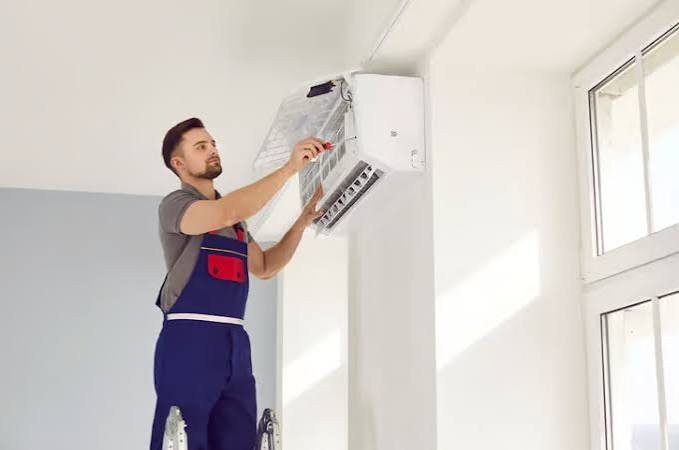
Keeping Air Conditioning in Newcastle running well is easier than most homeowners expect. Humid summers and salty coastal air keep a system busy for months at a time, and a few simple habits keep it cool, quiet, and efficient. This checklist walks you through the jobs you can do yourself, from filters and coils to thermostat settings, and points out the ones best handled by a licensed technician. Following it each season takes about an hour and keeps your home comfortable all year.
What is Air Conditioning Maintenance?
Air conditioning maintenance is the routine care that keeps a system performing the way it was designed to. It covers cleaning, inspecting, and adjusting parts on a regular schedule, and it suits split systems, ducted units, and window models alike. Regular care helps a system cool evenly, use less power, and stay reliable through the busiest months. It also gives you a chance to notice small changes early, so a quick visit from a technician can keep everything on track.
How Does an Air Conditioner Work?
An air conditioner moves heat rather than making cold air. Refrigerant circulates between an indoor unit and an outdoor unit. Inside, the evaporator coil absorbs heat from your room air, and a fan sends the cooled air back into the room. The refrigerant then carries that heat to the outdoor condenser coil, where it is released outside. A compressor keeps the cycle going. Every part of that loop works best when it is clean and unobstructed, which is why regular care pays off. Knowing the basics also makes each checklist step below easier to follow.
Signs It’s Time for Maintenance
Your system usually gives a few hints that it would like some attention. Common ones include:
- Airflow from the vents feels lighter than usual
- Rooms take longer to reach the temperature you set
- The unit makes new sounds when it starts or runs
- A musty smell comes from the vents
- Energy bills are climbing without a change in use
- Moisture appears around the indoor unit
Spotting any of these early makes the next steps simple. Most of them point back to a dirty filter, dusty coils, or a setting that needs adjusting, all of which are covered in the checklist that follows.
Air Conditioning Maintenance Checklist
Set aside an hour or so at the start of each season and work through the steps below. Switch the system off at the wall and at the isolator before touching any part.
Change Air Filters and Clean Ducts
Filters catch dust, pollen and pet hair before it reaches the coil, so they are the easiest place to start. Check them monthly during heavy use. Reusable filters can be washed in lukewarm water and need to dry fully before going back in. Disposable filters are best replaced every one to three months. Wipe return grilles and supply vents with a damp microfibre cloth. Full duct cleaning is a job for a professional every few years, and clear vents keep air moving well in between. Fresh filters also keep indoor air cleaner, which is a welcome bonus for anyone with allergies or pets.
Inspect Thermostat Settings
Start with the thermostat, since it controls how hard the system works. Check that it shows the correct time and day and that the schedule fits your routine. In summer, 24 to 26 degrees is a comfortable and efficient setting for most homes. Battery-powered models do well with fresh batteries once a year. A programmable or smart thermostat reduces running time while you are out and has the house cool by the time you walk in. Many homeowners find that a small schedule change, like starting the cooling 30 minutes before arriving home, makes the day feel easier.
Lubricate All Moving Parts
The fan and compressor motors do most of the work in your system. They run more quietly when bearings are well lubricated. Many modern units use sealed bearings that need no oil, so read the manufacturer’s manual first. Where oil ports are present, a few drops of the recommended lubricant are enough. If you are not sure which type your unit has, a technician can take care of this during a service. Using the recommended product only, and wiping away any extra, keeps the fan area tidy and running quietly.
Clean Evaporator and Condenser Coils
Coils transfer heat, so clean surfaces make a noticeable difference. Newcastle’s sea air and spring pollen both settle on the fins, which makes a seasonal clean especially useful. With the power off, brush leaves, dust and cobwebs from the fins of the outdoor unit. Rinse gently with a garden hose rather than a pressure washer, and keep about 60 cm of clear space around the unit. Homes close to the coast benefit from a fresh-water rinse every couple of months to clear salt. The indoor evaporator coil sits behind panels, so it is best cleaned by a technician. Clean coils help the unit reach your chosen temperature sooner and keep power use low through long summer afternoons.
Inspect Electrical Connections
Safety comes first with anything electrical. Look over the isolator switch, the visible wiring and the outdoor unit’s housing for signs of wear, such as discolouration or loose covers. Keep this check to a visual one. Keep panels and wiring stay closed, since electrical work is carried out by a licensed electrician or air conditioning technician. A quick look gives you useful notes to pass on at your next service. The technician can then focus on the exact areas you have noticed, which keeps visits quick and useful.
Test for Refrigerant Leaks
Refrigerant sits in a sealed system, and only licensed technicians can handle it, so this step is all about observation. You can still watch for pointers, such as ice on the indoor coil or outdoor pipes, a hissing sound, or cooling that is weaker than it used to be. If you notice any of these, switch the unit off and book a service. A licensed technician will test the system, top up refrigerant if needed, and confirm it is running at the right pressure. Booking a check early in spring is a great way to have everything ready before the first warm days arrive.
Final Thoughts
A few simple checks each season keep your system efficient, comfortable and ready for the next heatwave, with lower running costs and cleaner air along the way. For jobs beyond the DIY list, such as coil servicing, electrical checks and refrigerant testing, the team at Onsite Air is here to help Newcastle homeowners. Visit the website or get in touch today to book a service or ask about Air Conditioning in Newcastle for your home.