Table of Contents
- Enhanced Muscle Recovery
- Improved Mental Health and Mood
- Boosted Immune Function
- Increased Metabolic Rate
- Support for Cardiovascular Health
- Better Sleep Quality
- Practical Tips for Safe Cold Plunging
- Final Thoughts
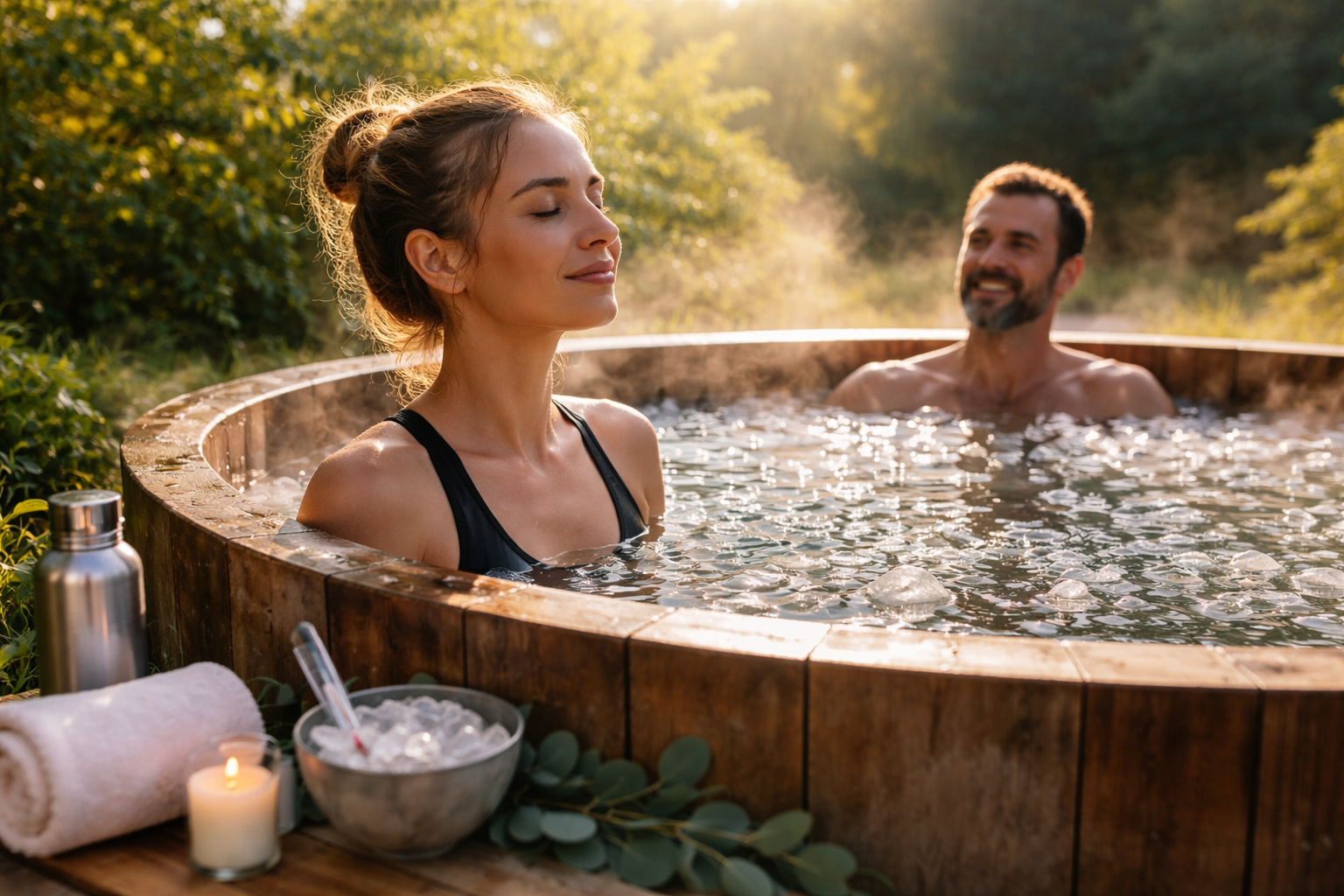
As interest in holistic health grows, innovative wellness methods like cold water immersion have gained a dedicated following. Cold plunges, or immersing yourself in chilly water between 50 and 59°F (10-15°C), are no longer reserved just for athletes. They are now embraced by people from all walks of life seeking better recovery, stress relief, and overall well-being. Among the many options on the market, there has also been an increasing demand for cold plunge tubs available in Salt Lake City, allowing more individuals to enjoy the benefits from the comfort of home or at spas.
But what makes cold plunge therapy effective, and is it really as beneficial as enthusiasts claim? Far from a fleeting trend, the science behind this invigorating practice reveals both physical and mental payoffs when used safely and consistently.
Enhanced Muscle Recovery
Cold plunges have become a mainstay of athletic recovery routines because they can significantly reduce muscle soreness after intense exercise. Research published in the journal Nature found that cold water immersion can reduce delayed-onset muscle soreness (DOMS) by about 20%. The cold exposure constricts blood vessels and reduces inflammation, while the subsequent rewarming helps flush out metabolic waste products. This speeds up recovery and allows for more frequent, high-quality training sessions.
Improved Mental Health and Mood
Beyond its physical effects, regular cold plunging can provide notable mental health benefits. Cold exposure stimulates the release of neurotransmitters such as dopamine and norepinephrine. These chemicals are linked to improved focus, alertness, and a greater sense of well-being. According to Healthline, the shock of cold water immersion also encourages resilience within the nervous system, which, over time, can help people better manage stress, anxiety, and symptoms of depression.
Boosted Immune Function
Building a more robust immune system is another compelling reason to embrace cold water therapy. In a study involving over 3,000 participants, those who included routine cold showers in their daily lives reported nearly 30% fewer sick days. This effect is thought to result from the stimulation of white blood cell production and immune cell activity by regular, brief cold exposures. NIH research continues to explore exactly how cold stress may help prime the body’s defenses against illness and infection.
Increased Metabolic Rate
Another advantage of regular cold plunges is a modest rise in metabolic rate. When the body is exposed to cold, it activates brown adipose tissue, which burns calories to produce heat. While this can help with weight management and might support minor fat loss, it should be paired with a balanced diet and regular exercise for long-term results. The calorie-burning effect of cold plunges is not dramatic, but it can be a helpful supplement to a healthy lifestyle.
Support for Cardiovascular Health
Cold water immersion has been shown to improve circulation and vascular health by training blood vessels to constrict and dilate more efficiently. This process enhances cardiovascular function and could potentially lower the risk of heart disease over time. However, those with pre-existing cardiovascular conditions should always talk to their healthcare provider before beginning cold plunge therapy to avoid any potential risks.
Better Sleep Quality
Cold plunging can also improve sleep. Lowering the body’s core temperature during the day, followed by gradual warming, activates the parasympathetic nervous system, which aids in relaxation. Many users report falling asleep faster and experiencing deeper sleep when cold plunges are integrated into their routine, preferably earlier in the day to align with natural circadian rhythms and avoid unwanted stimulation before bedtime.
Practical Tips for Safe Cold Plunging
- Start Gradually: Begin with brief sessions (1-2 minutes) and slowly increase the time as your comfort and tolerance grow.
- Monitor the Temperature: Most health benefits emerge at water temperatures between 50 and 59°F (10-15°C). Avoid going too cold too fast to minimize risk.
- Listen to Your Body: Pay close attention to how you feel. If numbness, pain, or excessive discomfort occur, exit the water right away.
- Warm Up Afterward: Use warm, dry clothing and moderate movement, such as light exercise or stretching, rather than hot showers, to help your body temperature rise safely.
- Consult a Healthcare Provider: Individuals with chronic health conditions or an uncertain medical history should always consult a medical professional before beginning any form of cold exposure therapy.
Final Thoughts
Cold plunging is a safe and invigorating wellness practice for most healthy people and can deliver physical and mental advantages from reduced muscle soreness and immune support to mood uplift and better sleep. As with any new regimen, gradually increasing exposure and seeking professional guidance when needed will help maximize benefits while minimizing risk. Whether you are an athlete searching for quicker recovery or simply seeking new ways to boost resilience, cold plunges can be a refreshing addition to your wellness arsenal.
Read also: Emma Michell Chartered Accountant: The Ultimate Guide to Expertise