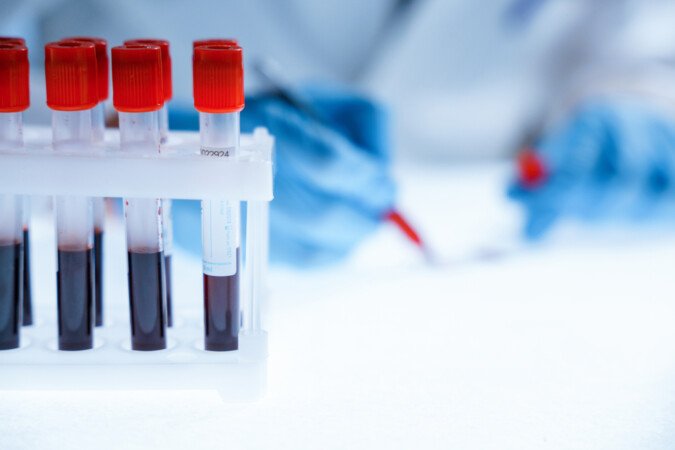
When people begin looking into testosterone replacement therapy (TRT), they often focus on the treatment itself—how it works, how long it takes, or what benefits it might bring. But before any therapy begins, there’s a critical first step that often determines how effective the treatment will be: hormone testing and bloodwork.
Blood tests provide the foundation for understanding what’s happening inside the body. Instead of guessing or relying only on symptoms, doctors use lab results to measure hormone levels and create a treatment plan tailored to each individual. This personalized approach helps ensure that any therapy is both safe and effective.
Whether someone works in an office, runs a business, or performs physically demanding labor, understanding hormone health through proper testing can make a meaningful difference in overall wellbeing.
Why Hormone Testing Matters
Hormones act like messengers that travel through the bloodstream, telling different parts of the body how to function. Testosterone, one of the most important hormones for men’s health, influences energy levels, muscle development, mood, metabolism, and reproductive health.
Because hormones affect so many systems, even small imbalances can create noticeable changes in daily life. For example, someone might begin experiencing constant fatigue, lower motivation, or difficulty maintaining physical strength.
However, symptoms alone aren’t enough to confirm low testosterone. Fatigue could also be caused by stress, sleep deprivation, or nutritional deficiencies. This is where blood testing becomes essential.
Hormone testing provides measurable data that doctors can analyze to understand whether testosterone levels are within a healthy range. It may also reveal other hormonal imbalances that could be affecting how the body functions.
Hormones are regulated through a complex network of glands known as the endocrine system. This system controls the production and release of hormones throughout the body. When something within this system becomes unbalanced, symptoms can appear in different ways.
Blood tests help medical professionals identify these imbalances and determine the most appropriate course of action.
What TRT Bloodwork Typically Measures
When someone begins the evaluation process for testosterone therapy, doctors usually order a series of blood tests. These tests measure several markers that help provide a complete picture of hormone health.
The most important marker is total testosterone. This measures the overall amount of testosterone circulating in the bloodstream.
Doctors may also measure free testosterone, which refers to the portion of testosterone that is readily available for the body to use. Even if total testosterone appears normal, low free testosterone levels can still contribute to symptoms.
Additional markers may include hormone-binding proteins, red blood cell counts, and other indicators related to metabolic health. These results help healthcare providers determine whether TRT is appropriate and what dosage might be required.
Think of this process like diagnosing a mechanical issue in a car. A technician doesn’t simply replace parts without first running diagnostic tests. The same principle applies to hormone health. Bloodwork provides the diagnostic information needed to make informed medical decisions.
How Bloodwork Leads to a Personalized Treatment Plan
One of the most important benefits of hormone testing is that it allows doctors to create personalized treatment plans rather than relying on generic approaches.
Every person’s body is different. Hormone levels vary based on age, genetics, lifestyle, diet, and overall health. A treatment plan that works for one individual may not be appropriate for someone else.
For example, imagine two individuals experiencing similar symptoms of fatigue and low motivation.
One might be a construction worker who spends long hours performing physically demanding tasks. Another might be a technology professional who spends most of the day working at a desk. While both individuals may report similar symptoms, their hormone levels, lifestyle habits, and health needs may differ significantly.
Bloodwork helps identify these differences so doctors can tailor treatment accordingly.
In some cases, results may show that testosterone levels are only slightly below the optimal range. A lower therapy dosage may be recommended, along with lifestyle adjustments such as improved sleep, exercise, or nutrition.
In other cases, significantly low testosterone levels may require a more structured treatment plan with regular monitoring.
The goal of TRT is not to push hormone levels excessively high but to restore them to a balanced, healthy range where the body functions more effectively.
Understanding the Evaluation Process
Before starting therapy, patients typically undergo several steps to ensure the treatment is appropriate.
The process often begins with an initial consultation, during which a healthcare provider discusses symptoms, lifestyle habits, and medical history. After that, blood tests are performed to measure hormone levels and other health markers.
Once the results are reviewed, the provider can determine whether TRT is suitable and, if necessary, recommend a personalized treatment plan.
For individuals exploring the evaluation process, it’s possible to get your TRT bloodwork done to understand current hormone levels and determine whether further medical guidance may be beneficial.
Testing provides valuable insight into hormone health and helps eliminate guesswork when considering treatment options.
Monitoring Progress Over Time
Bloodwork is not only important at the beginning of TRT—it remains essential throughout treatment.
Once therapy begins, regular monitoring allows healthcare providers to track how hormone levels change and ensure they remain within a healthy range. Adjustments can be made if levels become too high or if symptoms do not improve as expected.
For example, someone starting TRT may initially notice improvements in energy and mood. Follow-up blood tests help confirm whether hormone levels are stabilizing appropriately.
If adjustments are needed, providers can modify dosage or delivery methods to improve outcomes.
This ongoing monitoring helps ensure that treatment remains safe and effective for the long term.
Supporting Hormone Health Beyond Testing
While bloodwork provides valuable information, hormone health is influenced by many lifestyle factors.
Exercise plays an important role in supporting healthy testosterone levels. Strength training and resistance workouts can help maintain muscle mass and improve metabolic health.
Sleep is another critical factor. The body produces testosterone primarily during deep sleep cycles. Poor sleep habits can disrupt hormone production and reduce energy levels.
Nutrition also contributes to hormone balance. Diets that include healthy fats, lean proteins, vitamins, and minerals support the body’s natural hormone production.
Stress management is equally important. Chronic stress increases cortisol levels, which may interfere with testosterone production when elevated for extended periods.
When medical treatment is combined with healthy lifestyle habits, patients often achieve better, more sustainable results.
Making Informed Decisions About TRT
Hormone testing and bloodwork are the foundation of responsible testosterone therapy. By measuring hormone levels and evaluating overall health, doctors can tailor treatment plans to each individual.
This personalized approach helps ensure that TRT addresses the root cause of symptoms rather than simply treating them on the surface.
For men experiencing fatigue, reduced motivation, or other symptoms associated with low testosterone, proper testing provides the clarity needed to move forward with confidence.
Understanding hormone levels, consulting with qualified professionals, and following a structured treatment plan can help individuals make informed decisions that support long-term health and wellbeing.