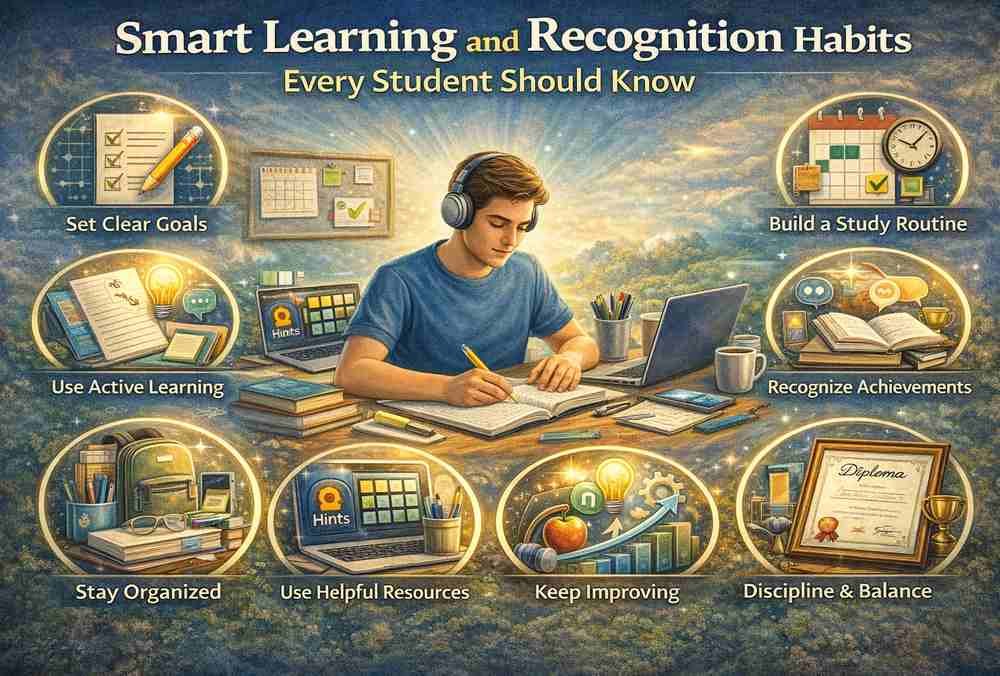
Success in education is rarely about talent alone. It often comes from consistent learning habits, strong discipline, and the ability to recognize progress along the way. Students who develop smart learning strategies usually perform better, manage stress more effectively, and stay motivated throughout their academic journey.
Learning is not just about completing assignments or preparing for exams. It is about building habits that support long-term growth and recognizing the milestones achieved along the way.
Set Clear Learning Goals
One of the first habits successful students develop is setting clear goals. Goals give direction to daily study efforts. Without them, students often struggle to stay focused or motivated.
Short-term goals may include completing a chapter, improving grades in a specific subject, or mastering a new skill. Long-term goals may involve graduating with strong academic results or preparing for a future career.
Writing goals down can make them feel more real and achievable. Students can also track their progress over time, which helps maintain motivation and discipline.
Clear goals turn random studying into purposeful learning.
Build a Consistent Study Routine
Consistency is one of the most powerful habits for academic success. Many students only study when exams approach, which often leads to stress and poor performance.
A better approach is to create a daily study routine. Even one or two focused hours each day can lead to significant improvement over time.
Breaking study sessions into smaller periods with short breaks can also help maintain concentration. This technique allows the brain to process information without becoming overwhelmed.
Over time, a consistent routine trains the mind to focus more easily during study sessions.
Use Active Learning Techniques
Reading textbooks passively is rarely enough for deep understanding. Students learn better when they actively interact with the material.
Some effective active learning methods include:
- Taking notes while reading
- Summarizing concepts in your own words
- Teaching the topic to a friend or classmate
- Practicing with quizzes or exercises
These strategies encourage deeper thinking and help the brain store information more effectively.
Active learning transforms studying from a passive activity into a more engaging and productive process.
Use Helpful Study Resources
Modern education offers many tools that help students understand difficult concepts. Digital platforms, educational websites, and interactive learning tools can all support academic growth.
For example, platforms like Strands Hints help students improve logical thinking and problem-solving by providing structured clues and guidance. These resources allow learners to analyze challenges step by step rather than feeling stuck.
Using the right tools can save time and reduce frustration during study sessions.
However, students should remember that tools are meant to support learning, not replace effort.
Stay Organized with Study Materials
Organization is another key habit that successful students follow. Losing notes or forgetting deadlines can quickly create unnecessary stress.
Students should keep their materials organized by subject. This may include maintaining separate notebooks, digital folders, or planners for different courses.
Using a calendar or task list also helps track assignments and exam dates. When everything is clearly organized, students spend less time searching for information and more time actually learning.
A clean and organized study environment also improves focus and productivity.
Recognize and Celebrate Achievements
Academic success is built step by step. Completing courses, passing exams, and earning certificates are important milestones that deserve recognition.
Celebrating achievements helps students stay motivated and confident. Even small accomplishments can encourage to continue working toward bigger goals.
Some individuals choose to preserve important achievements with military frames, especially when displaying certificates, service documents, or awards that represent discipline and dedication. These types of frames protect valuable documents while allowing them to be displayed with pride.
Recognizing accomplishments reminds students that their hard work truly matters.
Maintain Discipline and Balance
Discipline plays a major role in both education and personal development. Students who learn to manage their time, stay focused on goals, and maintain a balance between study and rest often achieve better results.
Balance is important because constant studying without rest can lead to burnout. Healthy habits such as getting enough sleep, exercising, and taking short breaks during study sessions help maintain mental clarity.
Learning should support long term growth, not constant stress.
When discipline and balance work together, students can stay productive while protecting their well-being.
Continue Improving Your Learning Approach
Every student learns differently. Some methods may work better for certain subjects than others. Successful learners regularly evaluate their study habits and adjust when necessary.
Trying new techniques, exploring different learning tools, and reflecting on mistakes all contribute to improvement.
The goal is not perfection but progress.
Over time, these small improvements create stronger learning skills that benefit students throughout their academic and professional lives.
Conclusion
Smart learning habits help students achieve more with less stress. Setting clear goals, maintaining a study routine, practicing active learning, and staying organized all contribute to better academic performance.
Helpful tools like strands hints support problem solving and critical thinking, while recognizing achievements through meaningful displays, such as military frames reminds students of their dedication and progress.
Education is a journey built on daily effort and small victories. By developing smart learning habits and celebrating accomplishments, students create a strong foundation for both academic success and future opportunities.