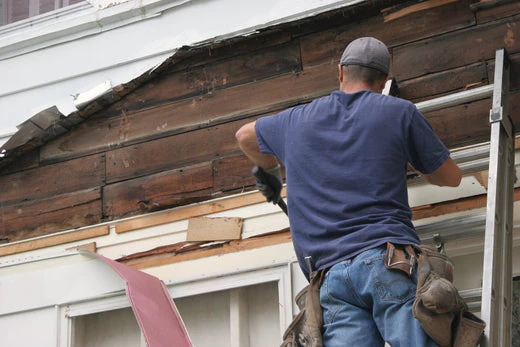
Walk through any Maryland neighborhood and the evidence of bad contractor decisions is not hard to find: a roof that buckled after the first heavy snow, a basement extension that failed inspection, an addition whose walls don’t sit plumb. Behind each of these stories is almost always the same detail—no MHIC license. In 2026, that oversight is not just a costly mistake. It is a preventable one.
What the MHIC License Actually Means
The Maryland Home Improvement Commission (MHIC) was established specifically to protect consumers from unlicensed and unqualified contractors. Any contractor who performs work on a Maryland residential property valued at $500 or more is legally required to carry an MHIC license. This is not a formality—it is enforced, and the penalties for operating without one are significant.
To earn the license, a contractor must pass a state examination covering Maryland contract law, construction trade practices, consumer protection regulations, and lien laws. They must also carry the required insurance and bonding, and their record is publicly searchable through the Maryland Department of Labor’s official MHIC licensee database. Before signing any contract, every homeowner should take two minutes to run that search.
The Legal and Financial Risks No One Talks About
Hiring an unlicensed contractor in Maryland is not just a gamble on craftsmanship—it is a financial and legal exposure that can follow a homeowner for years. If an unlicensed worker is injured on your property, your homeowner’s insurance may not cover the claim. If the completed work fails to pass a county inspection, the legal liability for remediation falls entirely on you as the property owner, not the person who did the work.
There is also the matter of resale. Maryland home inspectors and real estate attorneys are increasingly flagging unpermitted or unlicensed work as a material defect during property transactions. In a competitive 2026 market, a buyer’s attorney who discovers unlicensed work in the seller’s disclosure can renegotiate the sale price—or walk away entirely. A short-term saving on labor can become a long-term reduction in property equity.
The 2026 Standard: Verify Before You Sign
In the 2026 real estate market, a home’s value is tied directly to the quality of its maintenance history. For Maryland residents, the first question to any contractor should be about their MHIC standing. This license ensures the contractor has passed a rigorous assessment of state laws and trade practices. If you are an aspiring contractor looking to join this group of trusted professionals, the most efficient way to prepare for the board is through targeted simulation. Utilizing a high-fidelity MHIC practice test allows you to master the complex regulations and contract laws required to pass your exam and begin building your reputation in the community.
A License Is a Promise—Hold Contractors to It
Smart homeowners in 2026 are not waiting until something goes wrong to start asking questions. They are requesting MHIC license numbers before the first estimate arrives. They are verifying those numbers online before a contract is signed. And they are keeping copies of every permit, inspection record, and warranty document as part of their home’s permanent file.
For contractors, the MHIC credential is not just a legal requirement—it is a market differentiator. In an economy where consumer trust is scarce and online reviews shape reputations overnight, the license signals something that a portfolio of photos cannot: accountability. It says that this contractor has passed a state exam, carries the right coverage, and operates within a system that gives homeowners real recourse if something goes wrong.
The architecture of a well-maintained home is built on decisions made before the first nail is driven. In Maryland, that decision starts with three letters: MHIC.