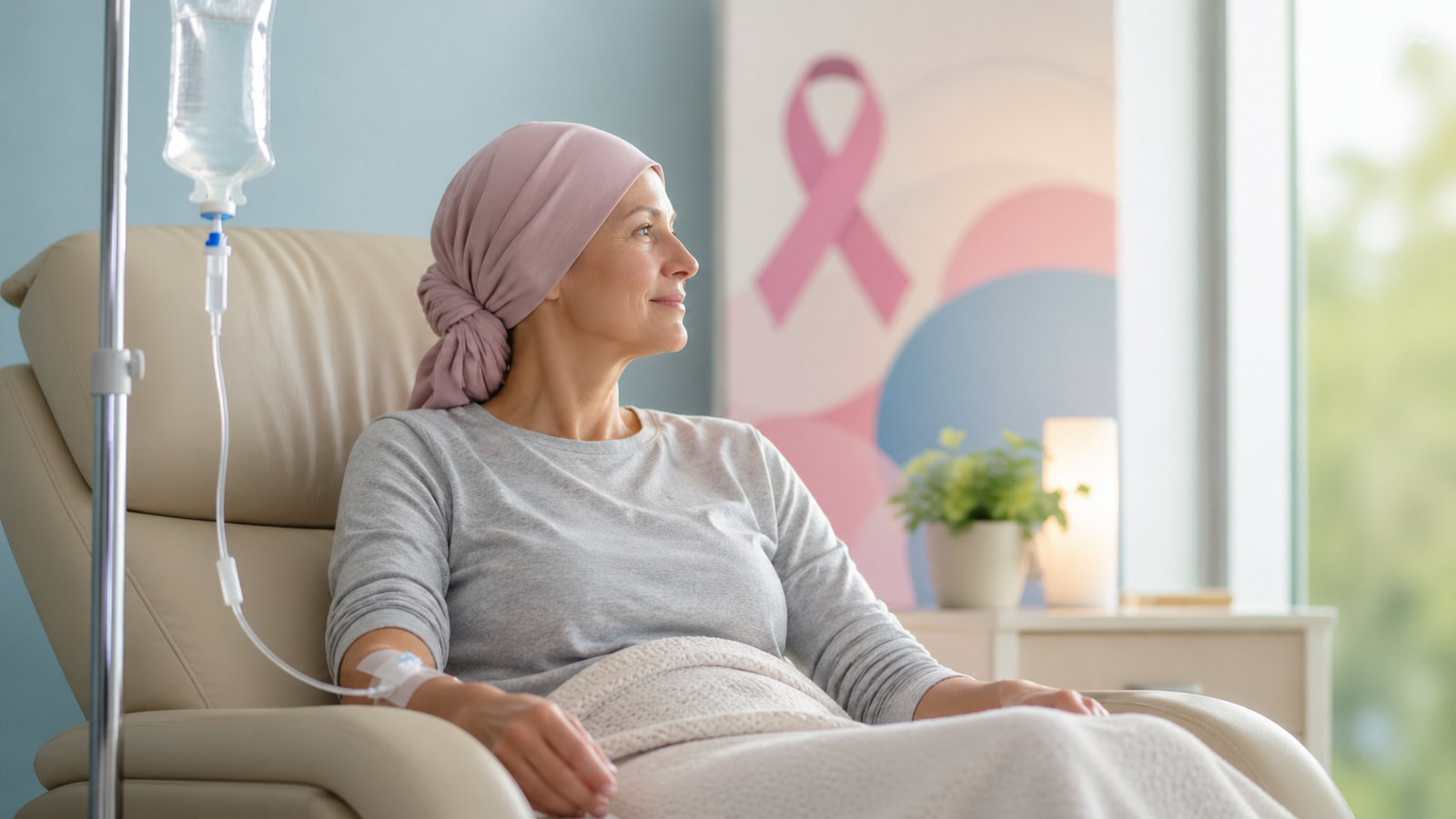
Chemotherapy is one of the most widely used treatments for cancer. It involves the use of powerful drugs to destroy cancer cells or slow their growth. While chemotherapy is commonly associated with side effects, it plays an important role in improving survival rates and controlling the spread of cancer.
For patients and families, understanding how chemotherapy works, what to expect during treatment, and how to manage side effects can help reduce anxiety and improve overall treatment experience. Being informed allows individuals to prepare both physically and emotionally for the journey ahead.
What Is Chemotherapy?
Chemotherapy is a type of cancer treatment that uses medications to target and destroy rapidly dividing cells. Since cancer cells grow and divide quickly, chemotherapy drugs are designed to attack these abnormal cells.
However, some healthy cells that also divide rapidly, such as those in hair follicles, the digestive system, and bone marrow, may be affected as well. This is why chemotherapy can cause side effects.
Goals of Chemotherapy
Chemotherapy may be used to:
- Cure cancer completely
- Control cancer growth
- Reduce symptoms caused by tumors
- Prepare for surgery or radiation
- Destroy remaining cancer cells after treatment
The specific goal depends on the type and stage of cancer.
How Chemotherapy Works
Chemotherapy works by interfering with the ability of cancer cells to grow and divide. Different drugs target cancer cells in different ways, which is why treatment usually involves a combination of medications.
Methods of Administration
Chemotherapy can be given in several ways, including:
- Intravenous (IV) infusion
- Oral tablets or capsules
- Injections
- Topical creams (for certain conditions)
The method depends on the type of cancer and the treatment plan.
The Chemotherapy Process
Understanding the chemotherapy process helps patients know what to expect during treatment.
1. Initial Consultation and Planning
Before starting chemotherapy, doctors perform a detailed evaluation, including medical history, diagnostic tests, and staging of cancer. Based on this, a personalized treatment plan is created.
2. Treatment Cycles
Chemotherapy is usually given in cycles. Each cycle includes a treatment period followed by a rest period to allow the body to recover.
The number of cycles depends on:
- Type of cancer
- Stage of the disease
- Patient’s overall health
- Response to treatment
3. Monitoring During Treatment
Doctors regularly monitor progress through blood tests, imaging, and physical examinations. This helps assess how well the treatment is working and manage any side effects.
In Delhi, many patients diagnosed with cancer look for centers offering effective chemotherapy treatment in Delhi with structured treatment plans, monitoring, and supportive care throughout the therapy process.
Common Side Effects of Chemotherapy
Chemotherapy can affect healthy cells, leading to various side effects. The severity and type of side effects vary from person to person.
1. Fatigue
Fatigue is one of the most common side effects. Patients may feel unusually tired even after rest.
2. Nausea and Vomiting
Chemotherapy can irritate the digestive system, causing nausea or vomiting. Medications are usually prescribed to control these symptoms.
3. Hair Loss
Hair loss occurs because chemotherapy affects rapidly growing hair cells. This is usually temporary, and hair usually grows back after treatment.
4. Weak Immune System
Chemotherapy can lower white blood cell counts, increasing the risk of infections. Patients need to take precautions to avoid exposure to illness.
5. Changes in Appetite
Some patients may experience loss of appetite or changes in taste, which can affect nutrition.
6. Mouth Sores and Digestive Issues
Chemotherapy may cause irritation in the mouth and digestive tract, leading to discomfort while eating.
Managing Side Effects
Proper management of side effects can improve comfort and quality of life during treatment.
1. Medical Support
Doctors may prescribe medications to manage symptoms such as nausea, pain, or infections.
2. Nutrition
Eating a balanced diet helps maintain strength and supports recovery. Small, frequent meals may be easier to manage.
3. Hydration
Staying hydrated is important for overall health and helps the body cope with treatment.
4. Rest and Activity Balance
Adequate rest combined with light physical activity can help manage fatigue and improve energy levels.
Recovery After Chemotherapy
Recovery is an important phase after completing chemotherapy. The body needs time to heal and regain strength.
What to Expect During Recovery
- Gradual improvement in energy levels
- Return of appetite
- Regrowth of hair
- Stabilization of blood counts
Recovery time varies depending on the individual and the intensity of treatment.
Follow-Up Care
Regular follow-up visits are essential to monitor recovery and detect any recurrence of cancer. Doctors may recommend tests and ongoing care plans.
Emotional and Mental Health During Chemotherapy
Cancer treatment can be emotionally challenging. Anxiety, stress, and mood changes are common during chemotherapy.
Ways to Cope
- Seek support from family and friends
- Join support groups
- Consult counselors or mental health professionals
- Practice relaxation techniques
Emotional well-being is an important part of overall recovery.
Tips for Patients Undergoing Chemotherapy
Simple lifestyle adjustments can help patients manage treatment more effectively.
Helpful Tips
- Follow the doctor’s instructions carefully
- Maintain hygiene to prevent infections
- Avoid crowded places during low immunity
- Stay physically active as advised
- Keep track of symptoms and report changes
Being proactive in care can improve treatment outcomes.
Frequently Asked Questions
What is chemotherapy used for?
Chemotherapy is used to treat cancer by destroying cancer cells, controlling tumor growth, or relieving symptoms.
How long does chemotherapy treatment last?
Treatment duration varies depending on the type of cancer and treatment plan, usually lasting several weeks to months.
Are chemotherapy side effects permanent?
Most side effects are temporary and improve after treatment, although some may take longer to resolve.
Can chemotherapy cure cancer?
In some cases, chemotherapy can cure cancer, while in others it helps control the disease and improve quality of life.
Is chemotherapy painful?
The treatment itself is usually not painful, but some side effects may cause discomfort.
Conclusion
Chemotherapy is a vital part of modern cancer treatment, offering hope to many patients through its ability to target and control cancer cells. While the process may come with challenges, understanding what to expect can make the journey more manageable.
With proper medical care, supportive treatments, and lifestyle adjustments, many patients can successfully go through chemotherapy smoothly and move toward recovery. Staying informed, following medical advice, and seeking support are key steps in achieving the best possible outcomes.
Read also: Create content with the Free AI Video Maker and Talking Photo AI Free